|
Rhinestones add sparkling brilliance to many elements. Jewelry, clothing, handbags, and shoes become elegant and brilliant with crystal components. Certainly, the rhinestone size can dramatically affect the finished look. If you’re the rhinestone designer and are unfamiliar with sizing, you could be facing a dilemma. Manufacturers produce rhinestones in a variety of sizes. Moreover, manufacturers use a unique way to measure the size of the rhinestone. What Does “ss” Mean Anyway? Many years ago, local gem hunters found sparkling quartz along the banks of the Rhine River. Finders of this natural resource would sort each specimen according to its stone size or “ss”. Later when manufacturers devised a way to produce sparkling crystal, they kept this way of measurement. Today, manufacturers and retailers of rhinestones will supply an equivalent millimeter size next to the “ss” size for clarity: ss mm ss mm ss mm 3 1.4 8 2.35 20 4.7 4 1.6 9 2.65 30 6.41 5 1.8 10 2.85 34 7.17 6 2.0 12 3.1 40 8.54 7 2.15 16 3.9 48 11.11 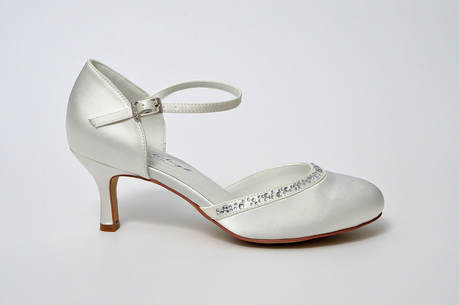 Choosing the Perfect Rhinestone Size When deciding on the rhinestone size, consider the size of your project and the area you want to cover. Generally, if you’re bedazzling a smaller object, you want to use a smaller rhinestone. However, larger rhinestones cover a bigger area requiring less. For example, if you’re bedazzling a small child’s shoe, you’ll probably want to use a smaller size. Smaller size rhinestones are also perfect for lettering on t-shirts. Moreover, nail technicians will often use smaller sizes for a sparkling manicure. Whereas other projects may require a larger size rhinestone. Larger stones have a greater surface area to reflect light making a bigger impact. Typically, you’ll find bigger rhinestones on competitive sports costumes like gymnastics and skating. Often, designers of dance outfits and bridal wear will use larger sizes as well. In addition, you can also mix sizes. Scatter patterns tend to use a combination of proportions to produce a glittering show of sparkle. You may also want to use a combination of sizes when covering an emblem or logo. Larger sizes will cover more area while the smaller sizes give the appearance of depth. 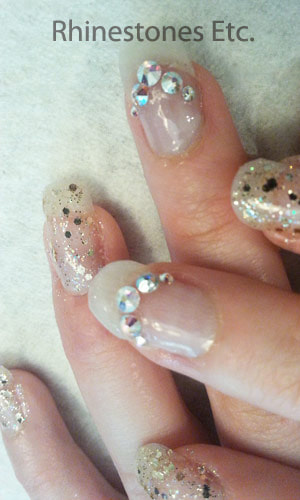 FAQs about Rhinestones If you’re new to purchasing and applying rhinestones, you probably have many questions. We’ve answered some of your most commonly asked ones below. Does the Quality of the Rhinestone Matter? Generally, you determine the quality of a rhinestone by the material, the number of facets, and consistency in manufacturing. Determining the amount of sparkle, scintillation, and impact will help you choose from the many types available. Typically, the pricing of the rhinestone will give some indication of the characteristics of the product. For example, manufacturers produced acrylic, glass, and crystal rhinestones. Usually, acrylic is the least expensive to make while crystal is more costly. However, even among these materials, you’ll find different levels of quality. Your budget and type of project will guide your decisions for the best rhinestone to choose. What Type of Glue Works Best? Basically, you can attach rhinestones to virtually anything. Clothing, shoes, handbags, eyewear, keychains, and cell phones are just some of the many objects people bedazzle. Your choice of glue often depends upon the surface structure of the object. Although many different adhesives will work on fabrics, some are easier to apply than others. For example, you can use E6000 on clothing but it can be difficult to use. This glue tends to be gloppy and dries quickly. Alternatively, Gem-Tac is easy to apply and works well with fabrics. However, for a stronger bond to glue to glass or metal, E6000 is the preferred choice. Check the manufacturer's instructions for recommended surfaces before your start. Where Can I Buy Quality Rhinestones?
Since 2011, Rhinestones Etc. has been offering competitive pricing, fast shipping, and great customer service. Currently, we carry the brand name Preciosa Maxima Rhinestone and the cost-effective PriceLess brand.
0 Comments
Your comment will be posted after it is approved.
Leave a Reply. |
KarenI have been adding bling for over 20 years. Through my projects, I hope you find inspiration. Categories
All
Archives
July 2024
|

 RSS Feed
Home About Policies Return Shipping
Contact Us Size Chart Privacy Products Reviews
Copyright 2024 Rhinestones Etc. All rights reserved.
Contact Us Size Chart Privacy Products Reviews
Copyright 2024 Rhinestones Etc. All rights reserved.