Are Bling Products and Bedazzling Gems the Same Thing?
Over the years, the term bling, has come to mean many things. At first, it referred to the big chains and pendants worn by hip hop artists. Today, the word includes any flashy item, like rhinestone clothing or sparkling tumblers. Furthermore, artists and crafters have discovered new ways to use bedazzling gems, creating unique and beautiful bling projects.
Bling Embellishments
Generally, bling trims fall into 1 of 4 categories:
1. Sequins
People have used sequins to decorate their clothing since ancient times. During the archeological excavation of King Tut’s tomb, scientists found this embellishment on the pharaoh's garments. Originally made of metal, today’s manufacturers use plastic.
Sequins are available in many sizes, colors, and shapes. You’ll also find both flat and cupped versions. Cupped sequins are flat in the center with raised facets along the edge. Although you can affix sequins by gluing, sewing is the preferred method for a secure attachment. 2. Spangles
Similar to sequins, spangles decorate clothing. Unlike sequins, spangles adhere to fabric through heat application. Furthermore, spangles lack a hole in the middle, thus offering greater sparkle and vibrancy.
3. Half Pearls
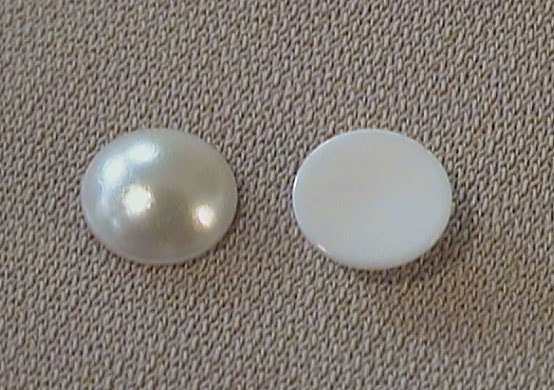
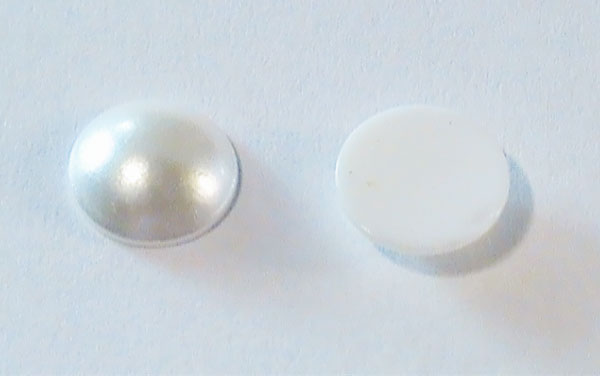
An imitation pearl with a flatback, half pearls exhibit luster rather than sparkle. However, some people still consider them bling because they lend a sense of extravagance and opulence.
Glassmakers of Venice, Italy, began manufacturing fake pearls from about the 13th century. These early versions were glass beads covered in a concoction of ground fish scales. Today, manufacturers use proprietary coatings to create their pearls’ luster. Often, higher-quality brands use nacre, the shiny, iridescent substance secreted by mollusks. 4. Rhinestones
After this natural resource became depleted, glassmakers sought to create an imitation. At first, only jewelers used them, but later on, the apparel industry discovered their beauty. Designers Coco Chanel and Elise Schiaparelli incorporated these sparkling faux gems into their designs.
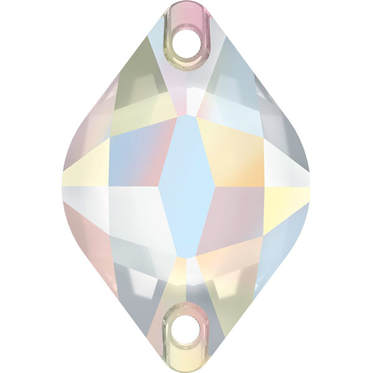
Perhaps the king of bling embellishments, rhinestones offer incredible versatility. These bedazzling jewels are available in many shapes, sizes, and colors. The application method includes sewing and gluing in addition to heat application or metal settings. The Bedazzling Gems Craze
As influential people, like Marilyn Monroe and Elvis Presley, embraced bling fashion, the bedazzling craze began. In the 1970s, Ron Popeil of Ronco fame, teamed with Herman Brickman. Together, they developed the Ronco Rhinestone and Stud setter.
However, Popeil became involved with other ventures and lost his rights to this tool. Brickman rebranded it as The Bedazzler®. Today, several companies offer versions of this original rhinestone setter. Moreover, the diamond painting craze has created a new generation of bedazzling crafters. This hobby entails creating artwork by attaching resin rhinestones, also known as drills, to a preprinted canvas. Originating in China in 2010, this craft has also evolved into a freestyle form where crafters create custom mosaics. Bedazzling Rhinestones Are Not Equal
Attaching rhinestones to everyday objects transforms them into unique, eye-catching creations. Yet, not all rhinestones exhibit the same sparkle. In order from least to most sparkle, rhinestones are available in one of these materials:
Each material offers distinct reflective and refractive properties. Reflection is light rays bouncing off the material. Refractive is the bending of light after it enters the rhinestone. Together, they create the sparkle or play of light. Overall, crystal bling is the highest quality rhinestones. FAQS About Bedazzling Gems
Thinking about starting a bling project, but not sure where to begin? Below, we answer a few commonly asked questions. If you have others, we’d be happy to answer them!
Do You Need A Bedazzler® To Attach Faux Gems?
No. Several methods exist for attaching rhinestones to clothing. You can use metal settings, glue, sew, or heat application. The most popular method is gluing.
Can I Bling Anything?
Just about! Crafters have rhinestoned clothing, shoes, handbags, home decor, and even automobiles! However, when planning a bling project, your choice of rhinestone glue is important. For example, some adhesives, like E6000, work better on smooth surfaces, like plastic and metal.
Where Can I Buy Quality Crystal Bling Products?
Since 2011, Rhinestones Etc. has been helping customers create beautiful bling projects. Here’s what a few of our customers say about our service:
Always great and quick shipping. - Laura Excellent service. As described. Thanks. - Cheryl RhinestonesEtc has beautiful products, great customer service and fast shipping! I will always go to this shop first. – Jennifer Browse our online bedazzling jewel store to find your perfect color.
0 Comments
What are Flatback Pearls and How Can You Use Them?
We’ve talked quite a bit about different aspects of rhinestones, their sparkle, facets, and sizing. However, sometimes you want to add classical elegance and not sparkle. Flatback pearls give an opulent luster with timeless beauty.
What Are Flatback Pearls?
Sometimes, you may also hear people calling this embellishment half pearls or pearl cabochons. With a rounded top and a flat back, you can glue them to many items:
Like rhinestones, you’ll find many manufacturers of half pearls using different materials to create their products. Flatback pearls can have a base of either plastic, acrylic, or glass. The manufacturer coats this base with a pearlescent coating to give it a luster to imitate the real thing. Usually, the ingredients in the coatings are guarded trade secrets. Often, higher-quality brands use nacre, the shiny, iridescent substance secreted by the mollusk. Others may use various ingredients such as varnish, fish scales, or minerals. Depending on the manufacturer, imitation pearls are available in different sizes and colors. Sizes range from tiny 2mm to large 10mm. Furthermore, manufacturers produce an assortment of colors from the classical ivory to pastels, metallics, and mixed hues. How To Attach Half Pearls
Similar to bedazzling gems, half pearls are available in glue on or hotfix applications. Since glueable pearls are more popular, you’ll find them in a greater variety of sizes and colors.
Gluing pearl cabochons is simple, similar to crystal rhinestones. You’ll want to use a drop of glue slightly smaller than the pearl. When you press the pearl into the glue, some of the glue should seep out from the sides. Doing so provides a seal that keeps the pearl from peeling off. To use hotfix pearls, you’ll need an applicator wand. This tool allows you to apply hotfix pearls one at a time to your project. You can also create an iron on transfer using transfer paper. Then use an iron or heat press to apply. FAQs About Flatback Pearls
Pearls reflect light with a shimmering effect, making them a sought-after gemstone. With pearl embellishments, you can bling projects with a gentle radiance. Below, we answer a few commonly asked questions about using this trim.
Which Glue Is Best For Applying Pearl Cabochons?
That depends on your product and the project’s surface. For example, some manufacturers use acrylic to make their half pearls. While many crafters like E6000 as an adhesive, the manufacturer doesn’t recommend some of its glues on plastic or acrylic. Always check the manufacturer's instructions before beginning your project.
How Do I Clean Clothing with Pearls?
Generally, hand washing with a gentle detergent is the best method. When washing, avoid wringing or twisting the garment and lay it flat to dry.
Where Can I Buy Pearl Cabochons?
Since 2011, Rhinestones Etc. has been supplying crafters with high quality embellishments. Our customers love our fast processing and overall customer service. Here’s what a few of them say about us:
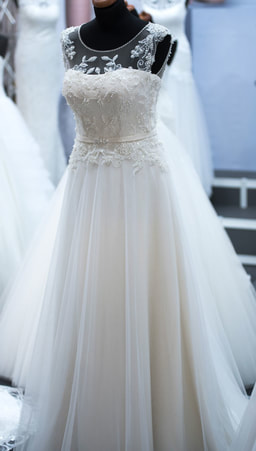
Always great and quick shipping. – Laura These are just as described and arrived on-time. Thank you! – Christine Great experience will buy again- Joyce Ready to add some bling? Browse our collection of half pearls to create your personal style. Rhinestones Vs. Pearls to Embellish Your Wedding DressHe’s popped the question, and you said Yes! And while you want the fairytale wedding of your dreams, reality has set in, and you do have a budget. The dress is one of the biggest expenses of your wedding, yet you only wear it one day. You could spend thousands of dollars on a dress with hand-sewn beadwork. Or, you could buy a plain one for a lot cheaper and embellish it. When considering your options, what are the differences between rhinestones vs. pearls Pearls or Rhinestones?First, you need to decide on what type of embellishment you are going to use. Pearls are one option that look fabulous with lace. Flatback pearls or half pearls have all the luster of real pearls but have a flat side, so that they are easy to glue. The range of sizes goes from a tiny 2mm to a large 10mm. Crystal rhinestones are another choice for enhancing wedding dresses. For rhinestones embellishment, you can choose the glue on method or sew-on. There are many shapes available both in the sew-on and glue on rhinestones. Sew-on rhinestones have predrilled holes at opposite ends enabling you to attach with a needle and thread. Non-hot fix flat back rhinestones can be attached with fabric glue. If you are unsure about how to glue, you can read our blog here about gluing rhinestones. So, which do you pick, rhinestones or pearls? Can’t decide? Well, you don’t have to pick one over the other, simply use both to accent different parts of your gown. Both are beautiful on formal gowns and will make your wedding gown the fairy tale you dreamed of. Save money and sparkle on your wedding day by embellishing a wedding dress. Rhinestones Etc. sells quality crystal bedazzling gems at competitive prices while providing excellent customer service.
|
Categories
All
Archives
June 2026
|


RSS Feed