|
As the ballroom dancers move across the floor, they create a blur of glittering light. The rhinestones on their dance costumes sparkle. Their movement in conjunction with the rhinestones produce a glittery brilliance that you just can’t miss. What is it about rhinestone bling that draws our attention to them and we just can’t look away? 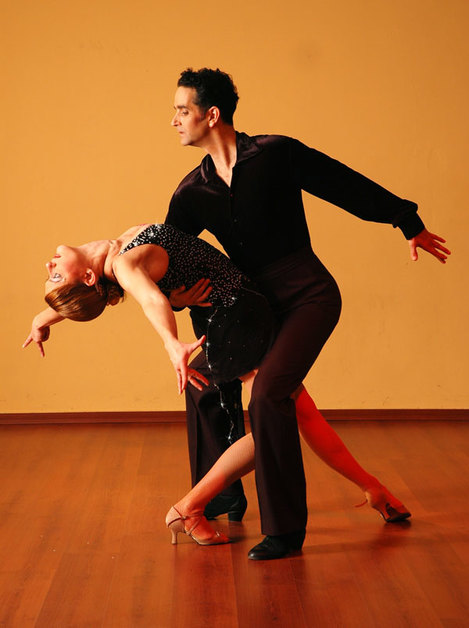 What creates Rhinestone Sparkle? There are two rhinestone bling factors to consider: material and facets. Rhinestones are pieces of crystal, glass or acrylic with facets on them. Both need to be considered together when discussing bling rhinestone bling. Rhinestones Material First, the material the rhinestone is made from affects its sparkle. Crystal has reflective properties or the ability to reflect light. In addition, it has a prismatic effect or the ability to break up light much like a prism. Glass has some reflective properties but no prismatic qualities. And acrylic has softer reflection properties than glass with no prismatic effect either. Facets Affect Rhinestone Bling Name brand rhinestones such as Swarovski or Preciosa start out as a single piece of crystal. Facets are laser cut into the crystal to form the rhinestone. Likewise, glass rhinestones are usually laser cut as well. Acrylic rhinestones are formed from molds.
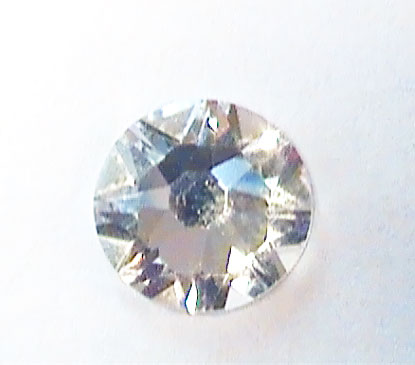
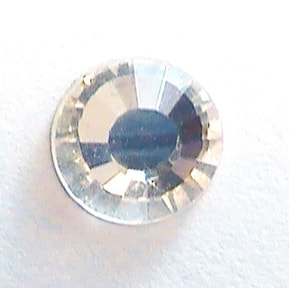
16 facet rhinestone 10 facet rhinestone Moreover, the greater the number of facets a rhinestone has, the more sparkle it creates. Comparatively, it is also true that the more facets a rhinestone has, the more expensive it is. Swarovski’s Xirius Rhinestones has the most facets on the market, 16. These facets are arranged in a star shaped pattern. It is also the most expensive rhinestone. Preciosa has 12 facets. Other less known brands have 10. Generally, acrylic rhinestones have 8 facets. Furthermore, the facets on all these rhinestones including Preciosa, are arranged around the side. So, in conclusion, the bling factor is affected by two factors: material and facets. Primarily, the first factor to consider is what the rhinestone is made from. And the second factor is the number of facets. Each must be considered when deciding which rhinestone is right for your project. Need help in deciding? Rhinestones Etc. can help. Contact us with all your rhinestone questions. We ship rhinestones fast!
0 Comments
Your comment will be posted after it is approved.
Leave a Reply. |
KarenI have been adding bling for over 20 years. Through my projects, I hope you find inspiration. Categories
All
Archives
July 2024
|

 RSS Feed
Home About Policies Return Shipping
Contact Us Size Chart Privacy Products Reviews
Copyright 2024 Rhinestones Etc. All rights reserved.
Contact Us Size Chart Privacy Products Reviews
Copyright 2024 Rhinestones Etc. All rights reserved.